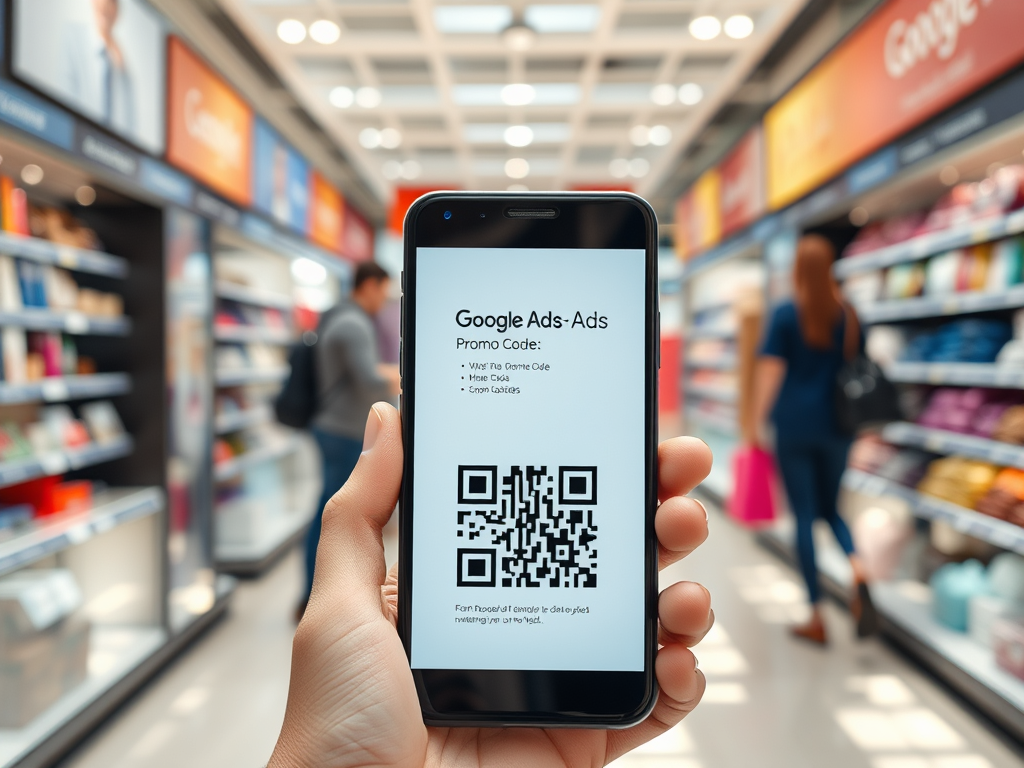
Google Ads’ new barcode and QR code formats make it easier for customers to use offers both online and in stores.
Google Ads has confidently expanded its Promotion Assets by introducing innovative barcode and QR code options, empowering advertisers with even more effective ways to showcase promotional offers.
These new formats make it easier for customers to redeem online and in-store offers, bridging digital and physical shopping experiences. By utilizing innovative technologies and seamless integration, shoppers can now enjoy a more cohesive journey between their digital interactions and in-person visits. This advancement not only enhances customer convenience but also fosters a deeper connection between consumers and retailers, encouraging more frequent engagements and loyalty to their favorite brands. As these formats continue to evolve, we can expect an even greater emphasis on personalized offers and tailored experiences that cater to the unique preferences of each customer, ultimately transforming the way we perceive and partake in shopping altogether.
Details:
- Barcode option supports multiple formats, including Aztec, Data Matrix, and EAN-8.
- QR codes can contain up to 720 characters of text.
- Links are not supported in QR codes.
- Advertisers must provide valid barcode numbers for barcode format.

How it works. Advertisers can select either barcode or QR code options when creating Promotion Assets, then input their specific promotional information within the format constraints.
Why we care. These innovative promo code options enhance our ability to run effective cross-channel promotions and significantly improve redemption tracking. The barcode format ensures seamless in-store integration, while QR codes empower customers to effortlessly claim offers on their mobile devices, undoubtedly increasing conversion rates.
This update gives advertisers more flexibility in how they present promotional codes, potentially increasing redemption rates through easier customer access. By allowing various formats and placements for promotional codes, advertisers can tailor their strategies to reach specific audiences more effectively. For instance, utilizing eye-catching graphics or integrating codes within engaging content can capture the attention of potential customers, encouraging them to take action. Additionally, the ability to track which codes perform best can provide valuable insights, enabling marketers to refine their approaches and maximize the return on their advertising investments. Overall, this enhanced flexibility presents a significant opportunity for businesses to drive sales and foster customer loyalty.
