Will the New Global Ad Labeling Revolutionize User Engagement with Sponsored Results on Google Search?
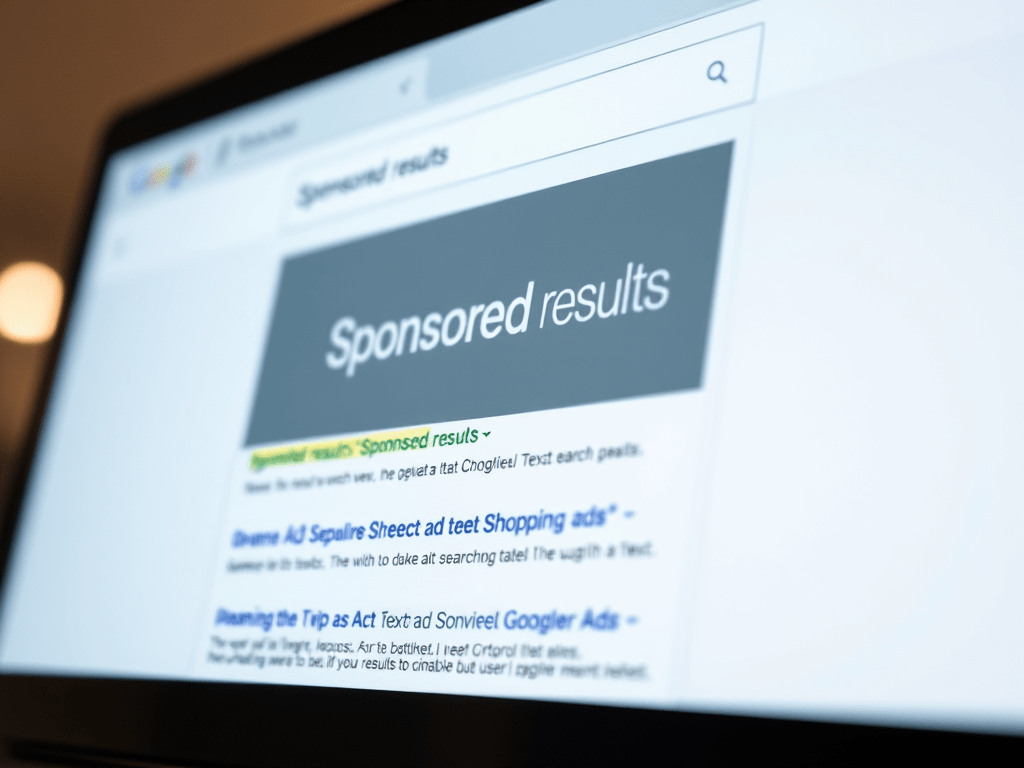
Google is globally launching a new “Sponsored results” label across both desktop and mobile platforms. This new feature is designed to group text and Shopping ads under a clearer and more distinct header. This change helps users to easily identify which content is paid advertising.
The update marks one of Google’s most visible ad labeling changes in years. It reflects the company’s ongoing efforts to improve user experience. It also aims to improve transparency in advertising. Google introduces clearer labeling. The aim is to differentiate between organic search results and paid advertisements. This can often lead to confusion among users.
This update gives users more control over their search experience. It allows them to hide groups of ads directly on the search results page. This means that if users prefer not to see certain categories of ads, they can easily manage their preferences. This creates a more personalized browsing environment.
Overall, the “Sponsored results” label is a significant step towards enhancing clarity in online advertising. It ensures that users are more informed about their search results and the nature of the content they are viewing. As Google continues to refine its advertising practices, users can expect a more streamlined experience. It will be more user-friendly for navigating both ads and organic results in their search journeys.
How does it work? Text ads will now show under a larger Sponsored results header.
- The same label will apply to other formats, like Shopping ads.
- Users can choose to hide entire groups of sponsored results for a more personalized browsing experience.
Why you should care. Clearer ad labeling could significantly influence ad visibility. The option for users to hide sponsored results could affect click-through rates. Both trends might shape the entire landscape of digital marketing. As consumers become increasingly savvy about their online experiences, the demand for transparency in advertising grows stronger. Brands need to focus more on ad relevance and creative quality. They must ensure that their messages resonate with the target audience. This approach will help attract engaged users. These users actively choose to view their content. This fosters a more authentic connection. It also leads to higher conversion rates. Ultimately, it emphasizes the importance of cultivating trust and delivering value. These components are essential for long-term success in the competitive realm of online advertising.
The big picture. The change aims to make ad placements easier to identify for users. It enhances their overall experience as they navigate through search results. The clearer distinctions between advertisements and organic content help users. They allow users to make more informed decisions regarding the information they consume. Additionally, this update streamlines navigation, ensuring that visitors can find relevant information quickly and efficiently. This is part of Google’s ongoing effort to balance user trust and advertiser visibility in Search. Google strives to create an optimal ecosystem. In this ecosystem, both users and advertisers can thrive while maintaining the integrity of search results. As Google continues to evolve its strategies, these changes are crucial. They foster confidence among users. Advertisers get the exposure they need to reach their target audience effectively.
Bottom line. For advertisers, clearer labeling could mean higher-quality clicks from users who better understand when they’re engaging with paid results. This enhanced clarity fosters a more transparent relationship between brands and consumers. It also encourages users to engage more thoughtfully with the content presented to them. When labels are distinct and informative, they empower customers to make more educated choices. This increases the likelihood of conversion. Ultimately, this could lead to improved campaign performance and better ROI for advertisers. Users who click are more likely to be genuinely interested in the content. This results in higher engagement rates and reduced ad fatigue.
Google’s announcement. We’re improving navigation and introducing a new control for ads on Google Search.
