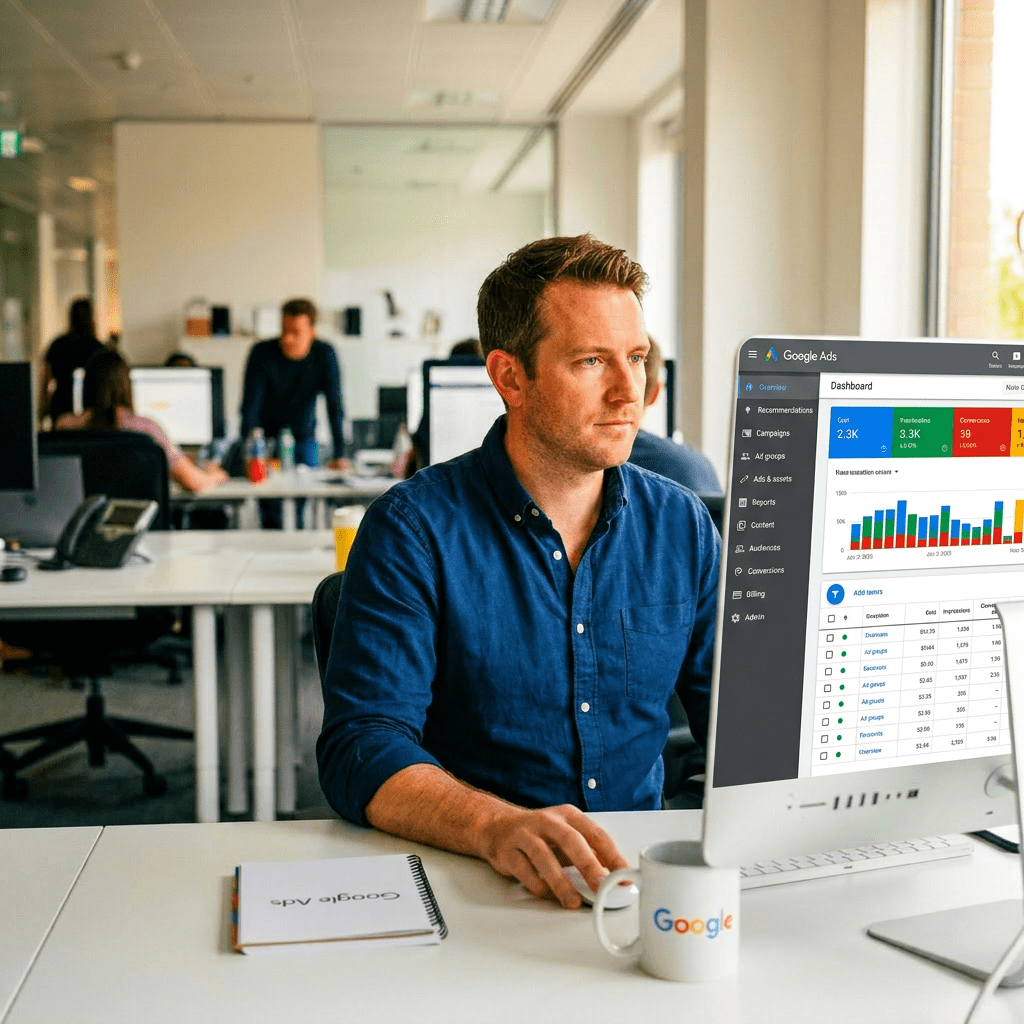
Google is revolutionizing advertising by embracing conversion-focused strategies over outdated impression-based planning!
Google is narrowing the scope of its Performance Planner tool, signaling a shift toward conversion-focused campaign types and away from impression-based planning.
What’s happening. As of last month, Google Ads’ Performance Planner no longer supports planning for Display and Video campaigns, marking a significant shift in how advertisers can strategize their marketing efforts. This change also means that access to previously available plans using critical metrics such as impression share, top impression share, or absolute top impression share has been removed, which may impact how businesses assess their visibility and reach across digital platforms. Advertisers will need to adapt to this new reality by seeking alternative tools or methods for effectively managing their campaigns and optimizing ad performance, ensuring that they remain competitive in an ever-evolving landscape.
Why you should care. Google is deprioritizing impression-based planning, making it harder to forecast and optimize upper-funnel campaigns like Display and Video within native tools. This shift in strategy could mean a move toward conversion-focused approaches that embrace automation, prompting advertisers to reconsider their planning processes for awareness campaigns. As reliance on traditional impression share metrics diminishes, it will be essential for marketers to develop new frameworks for measuring success, which may include analyzing engagement rates, user interactions, and overall conversion performance. Furthermore, adapting to this change will require a deeper understanding of audience behaviors and preferences, allowing advertisers to craft more targeted messaging that resonates with potential customers at various stages of the customer journey. Ultimately, embracing these changes will not only enhance campaign efficiency but also ensure that brands can maintain their competitive edge in an increasingly digital marketplace.
The big picture. Google Ads is continuing to prioritize automation and performance-driven outcomes, aligning its planning tools more closely with various campaign types like Search, Shopping, App, Demand Gen, Local, and Performance Max. This strategic shift reflects a broader trend in the advertising industry, where the integration of machine learning and automated solutions is becoming essential for maximizing efficiency and effectiveness. As advertisers increasingly seek to optimize their budgets and improve return on investment, Google’s commitment to enhancing its tools is designed to streamline the advertising process, enabling marketers to focus more on creative strategies while relying on automation to handle day-to-day tasks. This evolution not only simplifies campaign management but also empowers businesses to adapt quickly to changing market dynamics, ensuring they can reach their target audiences with greater precision and impact.
How it works now. Advertisers can still use Performance Planner for supported campaign types, ensuring a streamlined experience for budgeting and forecasts. However, any existing plans that include Display or Video campaigns, or those that rely on impression share metrics, can no longer be viewed or edited, which may impose some challenges for marketers who were accustomed to these analytics tools. This shift emphasizes the need for advertisers to adapt their strategies, exploring alternative approaches to optimize their campaigns while navigating the limitations imposed by these changes. It’s crucial for businesses to stay informed about the evolving capabilities of Performance Planner to leverage its advantages effectively and devise plans that align with the latest guidelines.
What you should look for. How advertisers adapt their forecasting and planning for upper-funnel channels like Display and Video, which now lack native support in the tool, is crucial in today’s evolving digital landscape. As these channels play a significant role in brand awareness and consumer engagement, understanding the strategies that advertisers implement to bridge this gap becomes essential. This might include the use of alternative analytics tools, a deeper emphasis on cross-channel integration, and creative approaches to measuring the impact of their campaigns. Moreover, advertisers are increasingly focusing on leveraging data from various sources to inform their strategies, ensuring that their upper-funnel efforts remain effective and resonate with their target audiences.
Bottom line. Google is doubling down on performance-driven planning and leaving impression-based strategies increasingly on the sidelines, which indicates a significant shift in how digital marketing strategies will evolve moving forward. This pivot is likely influenced by the growing demand for measurable results and the necessity for advertisers to demonstrate tangible returns on investment. As Google continues to innovate its advertising platforms, the emphasis on performance-driven metrics will empower businesses to optimize their campaigns more effectively, ensuring that every marketing dollar is utilized for maximum impact. Consequently, advertisers may need to adapt quickly to these changes to remain competitive in an environment that increasingly prioritizes data-driven decision-making.
