Google Invites Advertisers to Embrace Revolutionary AI Voice-Over for Video Ads—Opt Out by March 20!
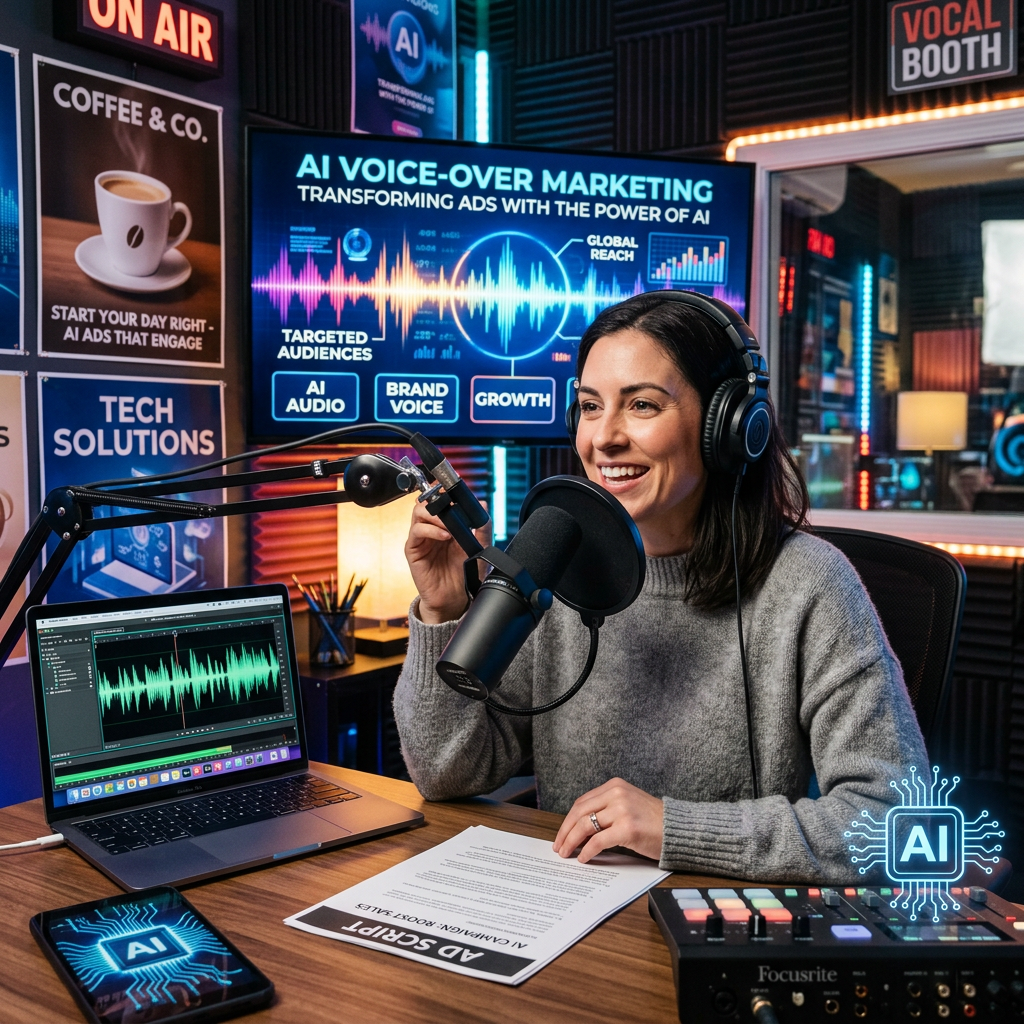
Google Ads is set to enhance the viewer experience of Performance Max video ads with an innovative asset optimization feature that promises to revolutionize the way advertisers connect with their audiences. Leveraging advanced AI voice models, this update aims to infuse video ads with realistic voice-overs that mimic human intonation and emotion, ultimately enhancing user engagement and ad performance. By employing machine learning algorithms, the system can analyze viewer responses and preferences, allowing for tailored content that resonates on a personal level. This not only helps in capturing attention but also encourages higher retention rates among potential customers, making the ads more effective in driving conversions. As a result, advertisers can expect a significant boost in the overall return on investment from their campaigns, illustrating the profound impact of cutting-edge technology on advertising strategies.
Why you should care. Advertisers who don’t actively opt out by March 20 will have their video ads automatically enhanced with Google’s AI voice models. This innovative technology will not only change how their ads sound to viewers but also aims to improve engagement and response rates without requiring any creative production work. By leveraging advanced voice modulation techniques, advertisers can ensure their messaging resonates more effectively with audiences, ultimately leading to increased viewer retention and potential conversions. This seamless integration of AI could represent a significant shift in advertising strategies, allowing brands to stay competitive in a rapidly evolving digital landscape. It’s essential for advertisers to understand these changes and make informed decisions regarding their advertising approaches before the deadline.
How it works.
- The feature only activates on videos that don’t already contain a voice track
- Google’s AI selects text from advertiser-provided headlines and descriptions, then generates a realistic voice-over from that copy
- The voice-over is layered onto the existing base video and saved as a new video asset

The catch. This is opt-out, not opt-in. The default setting means ads will be automatically eligible for voice enhancement unless advertisers proactively disable it. This approach is designed to streamline the process for advertisers, ensuring that their audio content reaches audiences in a more engaging and accessible manner by enhancing clarity and appeal. However, it also places the responsibility on advertisers to monitor their settings closely, as they may unintentionally miss out on the opportunity to project their messages effectively if they overlook the necessity to disable this feature. In an ever-evolving digital landscape, understanding and controlling such settings is imperative for advertisers aiming for optimal performance and audience connection.
Key dates. Advertisers can choose to exclude their ads from this feature until March 20th, giving them ample opportunity to evaluate whether or not they wish to utilize the video enhancement control for their advertising strategy. To do so, they must opt out of the video enhancement control, a process that is designed to be straightforward and user-friendly, ensuring that advertisers can make informed decisions. After the opt-out period concludes, all ads with video enhancement control enabled will automatically be eligible for voice-enhanced versions, which can potentially increase viewer engagement and ad effectiveness. This transition signifies a shift towards more interactive and accessible advertising, aligning with contemporary consumer preferences and technological advancements.
Action steps for advertisers. Advertisers can adjust their video settings by visiting their ads in Google Ads, where they can optimize their campaign performance by selecting the appropriate video formats, targeting options, and placements that resonate with their target audience. Additionally, they should regularly monitor their campaign analytics to identify trends and make data-driven adjustments that enhance engagement and conversion rates, ultimately maximizing their advertising budget and achieving better results over time.
